Hip dysplasia is a congenital immaturity of the bones, tendons and ligaments in the area where the head of the femur meets the hip socket to form the joint. In general, hip dysplasia is incomplete development of the joint.

Monday-Sunday 08:30 - 20:00

Kyiv, 17 Kovpaka St. (On the map)
Bila Tserkva, 191A Tarashchanska St. (On the map)
Hip dysplasia is a congenital immaturity of the bones, tendons and ligaments in the area where the head of the femur meets the hip socket to form the joint. In general, hip dysplasia is incomplete development of the joint.
Hip joint dysplasia is a common condition diagnosed in children. This diagnosis may be given at a routine checkup, but there is no need to be frightened. The earlier treatment begins, the lower the likelihood of unpleasant consequences such as poor posture, spinal curvature, unequal leg length, gait problems, hip pain when walking and arthritis.
In newborns the joints are not yet fully strengthened, so dysplasia in an infant can be a variant of normal. At the same time, there is a chance of a false diagnosis because an immature organ is in a borderline state.
Degrees of hip dysplasia in children:
The last degree requires careful and comprehensive treatment. If the problem does not receive enough attention, it may lead to disability. When the head of the femur remains in a fully dislocated position, a "clicking" sign, also known as slipping out, can be detected.
Another common orthopedic condition is knee joint dysplasia. It appears as asymmetry of the knees and is accompanied by pain. The cause of the condition is a disturbance in the development of organs and tissues.
The difficulty of identifying the condition in a child under 3 months is that the main signs are not pronounced and are not always apparent. With timely diagnosis during this period, treatment tends to give the best results.
According to specialists' observations, treatment effectiveness at the age of 3 to 6 months is about 80%, and after six months about 50%. When diagnosed in children under one year, the success rate of treatment is considerably higher. Dysplasia that is detected and treated after the age of one resolves completely in about 5% of cases.
Every mother should be concerned by the following signs of hip dysplasia in children:
Even if a child has just one of these signs, do not postpone a visit to an orthopedist.
The most important symptom, which must not be ignored, is slipping out. It means that the head of the femur is easily put back into the joint socket but pops out again. This sign can only be felt by hand, which is why it is so important for the child to be examined by a good doctor.
There are several factors behind hip dysplasia in children:
Joint dysplasia in children develops during pregnancy and is associated with:
Hip dysplasia in a child may result from breech presentation in the womb (due to limited movement of the fetus), difficult labor, and birth and postnatal injuries.
Modern pediatricians warn parents that tight swaddling that restricts movement can cause joint deformity even in a child who was born healthy. It is also advisable not to encourage early standing on the legs, so as not to provoke the condition.
According to statistics, dysplasia of the left hip joint is more common in children, while the right-sided form is about three times less common. Girls are more prone to this condition.
A visual examination is not enough for an accurate diagnosis of hip dysplasia in children. Because the problem is not on the surface, it is important to determine at what angle the head of the femur enters the socket of the pelvic bone and by how many millimeters. The most informative diagnostic method is X-ray. Ultrasound and computed tomography are also used.
Ultrasound is considered a safe method that provides information about the condition of organs and systems.
X-ray for hip dysplasia in children is permitted from 4 to 6 months. It is important to keep the child still, otherwise a blurred image will mean the procedure has to be repeated.
The following methods are used to treat hip dysplasia in children:
Wide swaddling is often enough to correct a hip defect. Every mother should learn this technique. Specialists at our center in Kyiv can teach this technique during consultations.
The most suitable treatment is the one chosen by the doctor. If conservative treatment of hip dysplasia in children does not give results, corrective surgery is performed.
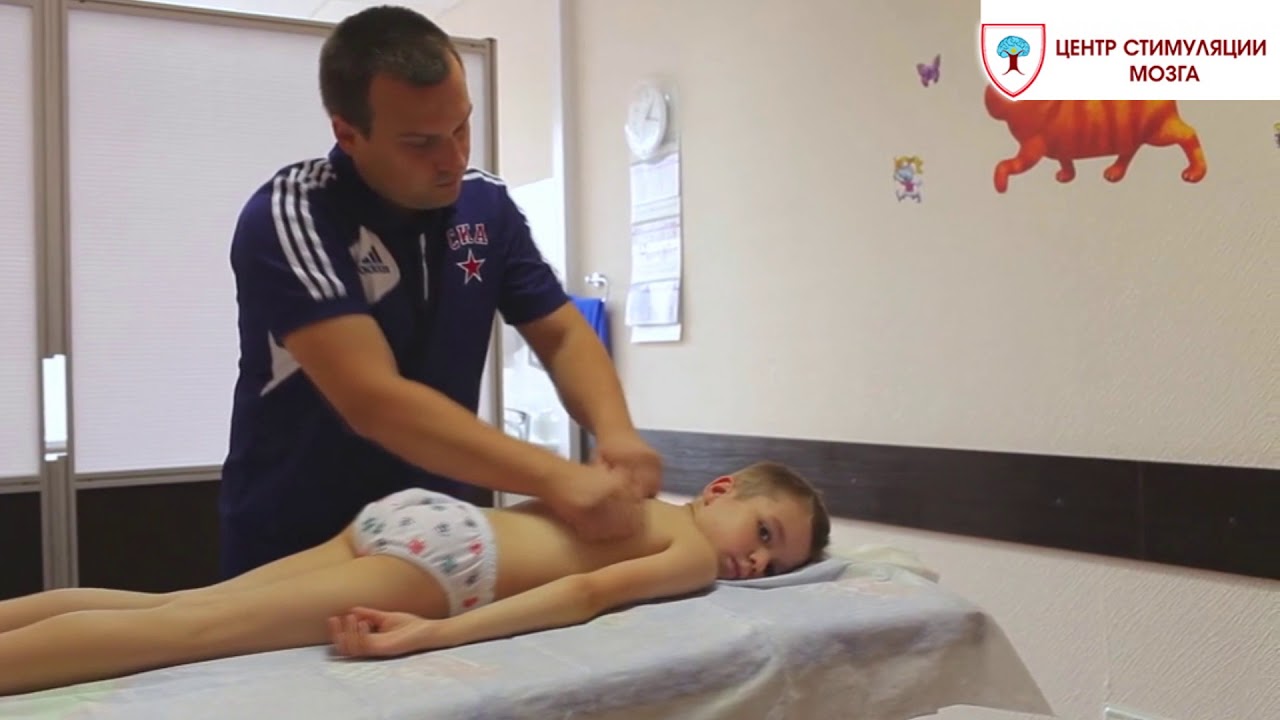
Regular exercise and massage are usually enough to achieve success in treating hip dysplasia in children. A few courses of therapeutic massage may be sufficient for recovery. Proper treatment aims to achieve a lasting result, so that the hip no longer shifts. However, specialists advise a diagnostic examination to identify minor deviations.
Our multidisciplinary clinic diagnoses and treats hip dysplasia in children. We have extensive experience and the necessary equipment. Experienced rehabilitation specialists will explain during consultations what this problem is, select an individual course of treatment and explain how to avoid the unwanted consequences of dysplasia.
Book a consultation in Kyiv through the website or call the phone numbers provided. We are committed to helping every patient recover.