Speech Disorders in Children
Correcting speech disorders in children is an important area of speech therapy that helps patients overcome various speech difficulties. Speech disorders range from mild to serious. They can be caused by a number of factors, including developmental delay, neurological diseases, and hearing loss. Children with speech disorders may have difficulty with articulation, pronunciation, fluency, and voice quality. These problems can affect their communication and social skills, which often leads to isolation.
Types of Speech Disorders in Children
The main types of speech disorders in children are conventionally divided into three categories:
- changes in speech rate - the child may speak either too slowly or too fast;
- intonation disorders;
- disorders of voice production or sound pronunciation.
The most common conditions include bradylalia and tachylalia, dyslalia and alalia, and stuttering.
Causes of Speech Disorders
The causes of impaired pronunciation or a complete inability to speak can be related to various factors. Often the source of the problem is improper formation of the articulation apparatus. Sometimes the cause is a neurological disease or brain damage, which can result from a previous infection. Other causes include stress, injuries, and congenital defects.
Symptoms of Speech Disorders
The symptoms of speech disorders can vary. In bradylalia, the main sign is a markedly slowed rate of speech. In tachylalia, on the contrary, speech is markedly accelerated. A change in speech rate is also typical of stuttering, but in that case the child makes long pauses or repeats individual sounds.
In some disorders the child loses the ability to speak altogether, or the speech lacks logic and meaning. For example, dyslalia involves incorrect pronunciation of sounds. If a child has alalia, the speech function is absent because of damage to certain areas of the brain.
Diagnosis of Speech Disorders in Children
The first step in correcting speech disorders in children is a thorough examination. It may include an assessment of the child's speech and language skills, as well as a check of hearing and neurological function. Based on the results, a speech therapist can develop an individual treatment plan that matches the child's specific needs and goals.
Treatment of Speech Disorders in Children
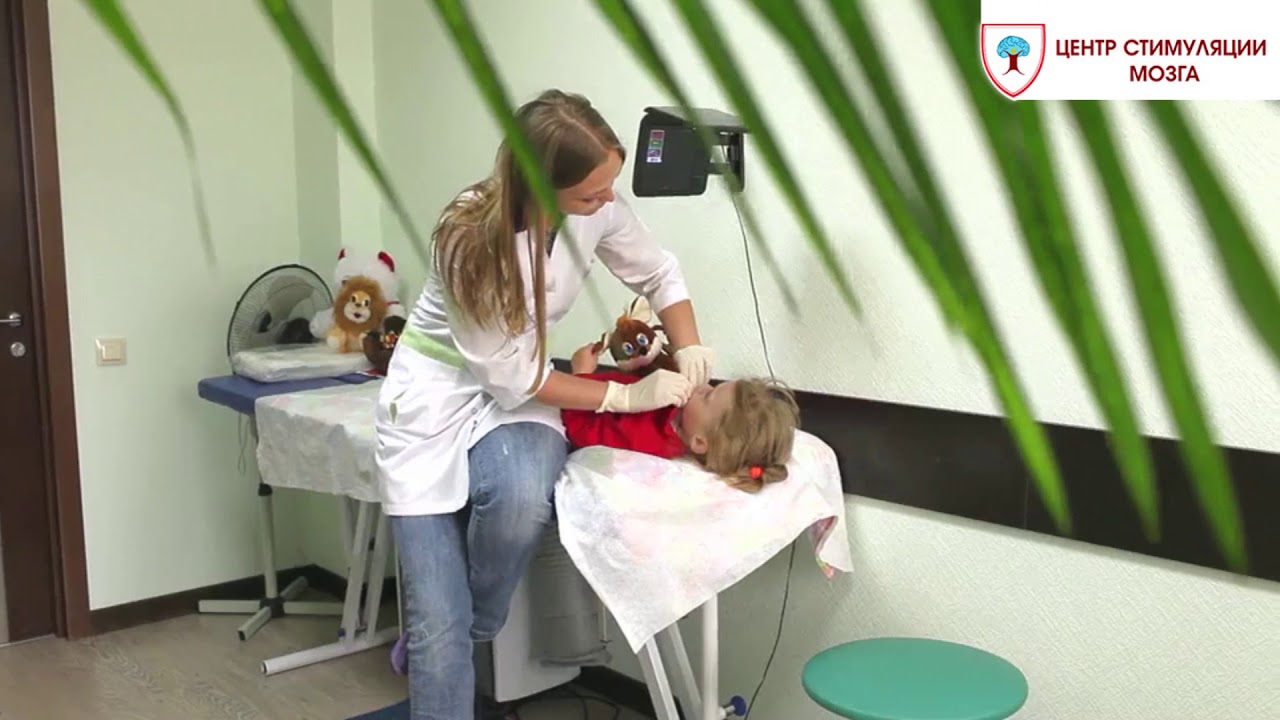
Treatment of speech disorders in children may include individual therapy sessions with a speech therapist, as well as group sessions with other children who have similar difficulties. Therapy sessions usually consist of a series of activities and exercises aimed at improving speech skills, as well as social skills and self-esteem. It is important that parents and caregivers take an active part in speech therapy. This means doing exercises at home, attending therapy sessions, and providing emotional support and encouragement.
Prevention of Speech Disorders in Children
There are now many programs and exercises that help children with PPUS (phonetic-phonemic underdevelopment of speech). They usually target specific speech muscles and aim to improve their function, normalize articulation, pronunciation, and fluency, and improve voice quality and breathing. Such programs are adapted to the specific needs and abilities of each child. The exercises are designed to be fun and engaging, helping children stay motivated and focused. The programs also include regular assessment of the child's progress, which allows the set of exercises to be adjusted when needed.
Quality therapy for speech disorders in children is offered by CSM Clinic. With programs and exercises adapted to the needs of each child with PPUS, children may be able to improve their communication skills and social interaction considerably, which in turn may lead to a better quality of life.