inTime Developmental Music in an Ethnic Style
The inTime program was created by experts at the American company ABT. Its creators include the musician and composer Nacho Arimany, the therapist Shuyla Allen, and ABT founder Alex Doman. The method was first presented in 2014.
The recording of the unusual inTime music uses more than 100 percussion instruments from peoples around the world. They include West African membranophones, Indian bells, South Indian clay drums, Himalayan singing bowls, Vietnamese wooden frog rattles, and Spanish castanets.
inTime auditory therapy combines three kinds of influence: stimulation with sounds of certain frequencies, stimulation through rhythm, and movement games.
-
Rhythmic music
The child begins every session by listening to a 9-minute inTime musical composition, and the last session ends with it as well.
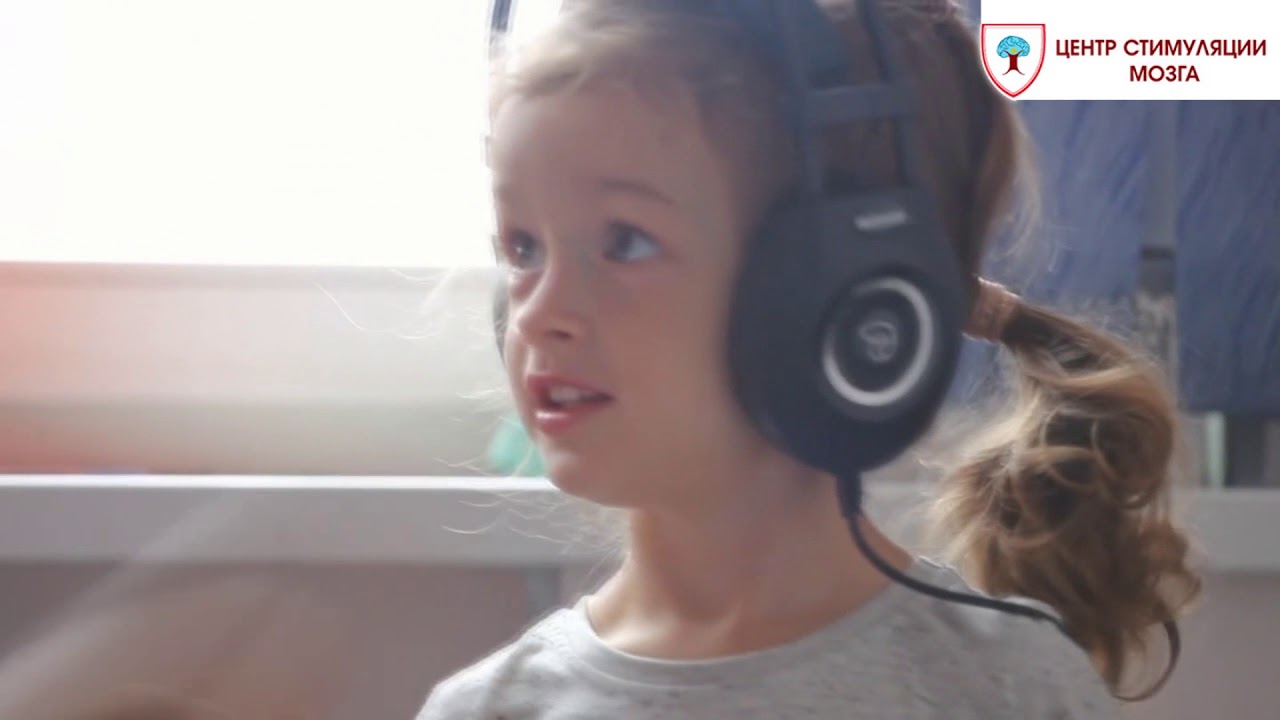
The inTime music is heard through patented equipment: the multisensory Waves audio system and headphones with bone conduction of sound waves.
-
Movement and rhythm exercises and games
At the coach's request, the child performs certain rhythmic exercises. Each exercise involves the voice, body movements, and the child playing a drum.
The drum membrane is tuned so that when struck with a mallet it produces low-frequency sounds of 99 Hz. This sound resonates with the patient's body, which is intended to stimulate brain activity and overall functioning, reduce the stress response, and support the neuromuscular system.
An Engaging inTime Training Program at Our Clinic
Individual listening to rhythmic music and daily movement training help a child or adult develop a steady sense of rhythm. Gradually, the sense of rhythm developed during inTime sessions carries over into everyday life. A person who lives in step with the present is better able to manage every minute of the day.
After a course of inTime auditory therapy, the following positive changes may be observed:
- development of a sense of rhythm and the ability to plan the day (timing);
- improvement in thinking skills, cognitive functions, and ability to learn;
- better attention and calmer behavior in hyperactive children;
- sociability and more openness in shy children;
- development of communication skills and adaptability;
- building endurance and resilience to stress;
- better sleep.
The course lasts 16 days. It consists of 4 half-hour sessions that the child attends daily according to an individual schedule. One session is the inTime training itself. The other 3 sessions (which include massage) are chosen based on the child's personal developmental needs at the initial consultation.
The effectiveness of therapy is assessed with functional diagnostics (ABR, auditory brainstem responses). Testing is performed before and after the course.