How Is DMD Treated in Children?
First, do not delay contacting the clinic at the slightest suspicion of a delay in the emotional-volitional or intellectual sphere. Symptoms typical of delayed mental or speech development do not always indicate a deviation. A difficult temperament, parenting mistakes and ordinary individual preferences still exist: a child may dislike a teacher and express this dissatisfaction through uncharacteristic behavior. The neurologists and psychologists of the Center will talk with you and your child, carry out the necessary tests and be able to say whether a DMD diagnosis is present.
Second, contact us to check your doubts even if the child already has a diagnosis. Because of limited experience and the complexity of diagnosis, a DMD diagnosis can sometimes be made inaccurately, or the condition can be confused with other developmental deviations of the nervous system. Any doubt about the correctness of a diagnosis is a reason to come to the clinic for confirmation.
Third, at the first symptoms do not hope that it will pass by itself, but seek professional help. Only a neuropsychiatrist knows how to identify DMD in children at 3 years of age: for parents and relatives the signs of delayed development of motor skills, speech and intellect are not visible, so they begin to worry late. Treatment also begins late, although competent correctional-pedagogical and medical help, with early referral, can substantially reduce such a deviation.
The experience of the clinic's specialists indicates that DMD in children aged 7-10 tends to be harder and longer to treat than in five-year-olds and younger children. This is the main argument in favor of early referral.
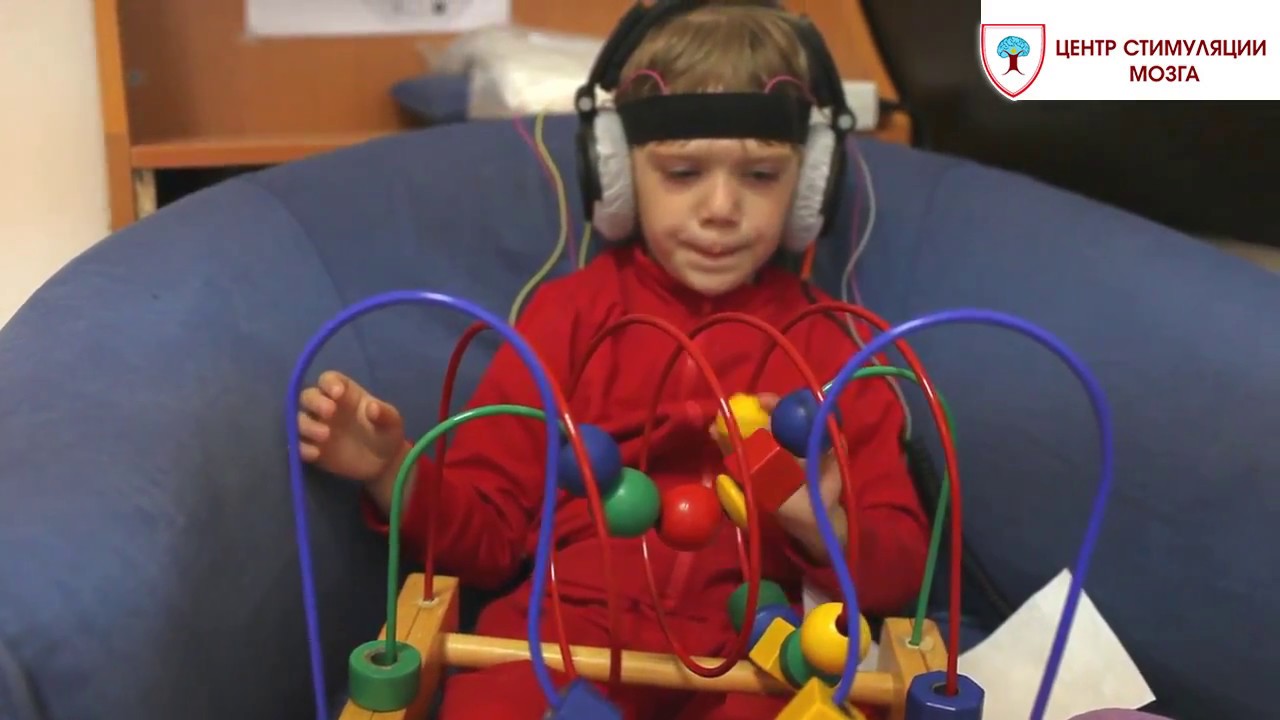
Treatment of delayed mental development in children at the center relies on two factors: an accurate assessment of the severity of the condition and a correction program that we develop individually for each child and adjust depending on the effectiveness of individual methods. We combine drug treatment, pedagogical correction, work with a psychologist, a speech therapist and a massage therapist, and timely non-invasive methods of influence: micropolarization, Tomatis therapy, inTime and others. Several courses of DMD treatment in children in Kyiv may significantly improve the situation, help the child study and communicate, and reduce the risk of complications in the future.
Only two conditions need to be met:
- Contact specialists as early as possible.
- Receive treatment at a modern specialized clinic.
Do not lose time: book a consultation with experienced neurologists in Kyiv!