icon

Addresses of the Clinics

г. Киев, ул. Ковпака 17 (On the map)

г. Белая Церковь, ул. Таращанская 191А (On the map)

+38 (073) 073-03-85

Monday-Sunday 08:30 - 20:00

Hemiplegia is a neurological syndrome marked by a complete loss of voluntary movement in the limbs on one side of the body. It can be a standalone condition resulting from an acute disturbance of cerebral blood flow, or a form of cerebral palsy in children.

Hemiplegia in Children

Hemiplegia is a complete loss of voluntary movement in the arm and leg on one side of the body caused by damage to the brain or spinal cord. In hemiparesis, by contrast, movement is preserved but weakened. In children, hemiplegia is most often associated with cerebral palsy, and less often with stroke or a neuroinfection.

In brief:

At CSM Clinic in Kyiv, children with hemiplegia are managed by pediatric neurologists, and recovery is built on massage, physical therapy (exercise therapy), and sessions with a speech therapist and a special education teacher.

Hemiplegia is a neurological syndrome marked by a complete loss of voluntary movement in the limbs on one side of the body. It can be a standalone condition resulting from an acute disturbance of cerebral blood flow, or a form of cerebral palsy. The condition occurs in children and adults.

Types and Causes of Hemiplegia in Children

Hemiplegia is divided into functional and organic types. The functional type most often develops in adults against the background of the following conditions:

Functional hemiplegia also arises from mental disorders, for example, dissociative disorder, when unresolved inner problems and personal conflicts are "converted" into physical symptoms. In everyday speech, this condition is called hysteria.

The organic type of hemiplegia occurs mainly in children with cerebral palsy. It is caused by damage to the frontal areas of the brain. Muscle tone rises in the limbs, tendon reflexes become stronger, and pathological reflexes sometimes appear.

There is also contralateral (crossed) hemiplegia, in which the muscles on the opposite side of the body are affected. If the muscles are paralyzed on the same side as the brain damage, it is called ipsilateral hemiplegia.

Other types of hemiplegia:

  1. Spinal. It results from damage to the spinal cord. Muscle function is impaired segmentally. For example, with damage to the cervical or thoracic region, muscle strength in the arms is affected.
  2. Flaccid. A reduction in muscle strength resulting from damage to the spinal cord or brain.
  3. Spastic or central. It occurs after damage to the pyramidal tracts in the central nervous system.

Classification by level of damage:

  1. Cortical: due to damage to the cerebral cortex.
  2. Supracapsular: due to damage to the internal capsule of the subcortex.
  3. Cortico-subcortical: combined damage to the cortex and subcortical structures.
  4. Pyramidal-thalamic: damage to the pathways in the central nervous system.
Hemiplegia in Cerebral Palsy

In cerebral palsy, spastic hemiplegia develops in children and adults. The condition is accompanied by impaired muscle function in the arms and, to a lesser extent, in the lower limbs. On the affected side, muscle hypotrophy is observed: because of impaired innervation, fewer nutrients reach the muscles and they become smaller in volume. Contractures form on the affected side, which are a persistent limitation of passive movement in the joints. From an early age, increased muscle tone (hypertonia) develops in the arm muscles: the arm bends at all joints and the little hand is clenched into a fist. In older children, the "obstetrician's hand" posture is seen. Children with spastic hemiplegia sometimes show anosognosia, meaning they are not aware of the defect in their body.

Other mental and neurological disorders often develop in these patients:

  1. Strabismus.
  2. Reduced visual acuity and hearing.
  3. Impaired body schema.
  4. Acalculia: impaired arithmetic counting.
  5. Finger agnosia. If the doctor points to the child's finger, the child cannot name or show it.
  6. Optic-spatial agraphia. The spatial perception of letter shapes is impaired.

Speech is less often affected in spastic hemiplegia. Intellectual abilities are preserved or moderately reduced, up to a mild degree of intellectual disability.

Double spastic hemiplegia is a more severe form of cerebral palsy. In it, muscle function is impaired in all limbs. The arms are affected more than the legs. Sometimes the limbs are affected equally. At an early age, contractures and pseudobulbar disorders begin to form, which show up as:

In the severe form, speech may be lost entirely (anarthria). Reflex activity is impaired, and the body's righting reflexes are poorly developed. Balance is affected.

Children with double spastic hemiplegia may suffer from social isolation. Because of the visible physical differences, it is hard for affected children to connect with peers, who sometimes mock their disabilities. Intellectual abilities may be reduced as a result of brain damage. The intelligence quotient may be lowered to about 50 points. According to specialists' observations, about 6 in 10 of these children have seizures, microcephaly (a small head), and minor defects of the internal organs in the clinical picture.

Hemiplegia may show itself through the following signs:

Diagnosis of Hemiplegia in Children

The condition shows specific symptoms, so it is usually easy for a diagnosing doctor to identify it. But other similar diseases of the nervous system must first be ruled out.

This requires:

  1. Reviewing the life and medical history.
  2. Collecting the birth history and studying how the delivery went.
  3. Examining the child and checking reflexes and muscle strength.

Diagnosis requires the help of related specialists. A psychologist examines the child and assesses speech and the mental and intellectual spheres, while a pediatrician monitors the child's current state of health.

To rule out other diseases, instrumental examinations are needed that visualize the brain and study how it works:

  1. Electroencephalogram. It shows the electrical activity of the brain and rules out epilepsy.
  2. Magnetic resonance imaging and computed tomography. They rule out a tumor, stroke, and subarachnoid hemorrhage.
  3. Angiography. It shows the state of the vessels and the degree of cerebral blood flow.
  4. Neurosonography. It is used in children whose fontanelle has not yet closed. The method detects space-occupying lesions, for example, a tumor or enlargement of the brain ventricles.

Read also

Book an appointment: Pediatric neurorehabilitation in Kyiv

Treatment at Our Clinic

Keep in mind that the condition can progress and a child's health can worsen. Without care, intellectual and physical development and overall health may decline over the years. CSM Clinic offers a comprehensive approach with an individual program for every child. After the diagnosis is made, we select treatment methods that depend not only on the specifics of the condition but also on your child's characteristics: age, ability to learn, interest in the activities, and personality-related difficulties.

For hemiplegia, we use:

  1. Fine motor skills development in children.
  2. Development of thinking. Our specialists (psychologists, special education teachers, speech therapists) develop spatial and logical thinking and teach children to find connections between phenomena, to analyze information, and conversely to build a whole picture from separate elements.
  3. Massage. It may improve blood flow in your child's arms and legs and help strengthen the muscles, and during the massage the child can rest and relax.
  4. Physical therapy (exercise therapy). A selected set of exercises helps the child correct and restore impaired function in movement disorders. Therapeutic exercise may help improve posture and support the strengthening of the child's musculoskeletal system.
  5. Transcranial micropolarization. The principle of this method is aimed at activating "dormant" areas of the child's cerebral cortex.
  6. The Timocco program. This is a motor-visual program that develops a child's motor and cognitive skills. With this program, we work on attention, reaction speed, memory, abstract thinking, and body coordination.
  7. Sessions with a speech therapist and special education teacher. Our specialists develop the articulatory apparatus. For this we use speech-therapy massage and exercises in a playful form. Your child will also learn to form vocal intonations, facial expressions, gaze, and correct posture.

Frequently Asked Questions

How is spastic hemiplegia different from flaccid hemiplegia?

The difference is in muscle tone. In spastic (central) hemiplegia, tone is increased, reflexes are brisk, the arm is bent at the joints, and contractures appear over time. In flaccid hemiplegia, tone and reflexes are reduced and the muscles are limp. The spastic form is typical of cerebral palsy, while the flaccid form is more common at the start of an acute brain injury or with spinal cord damage.

How is hemiplegia different from hemiparesis?

Hemiplegia is a complete absence of voluntary movement on one side of the body, while hemiparesis is a partial loss of strength, where movements are present but weak. Both conditions have the same nature of brain damage, only a different degree. Hemiparesis is more common in children, and during recovery, complete hemiplegia sometimes turns into hemiparesis.

Can hemiplegia in children be treated?

Function can often be improved. A child's brain is plastic, so when sessions (physical therapy, massage, work with a speech therapist and psychologist) start early, children often gain motor and daily-living skills. The result depends on the cause, the degree of damage, and the regularity of the sessions.

Which doctor treats hemiplegia in a child?

The main doctor is a pediatric neurologist. The neurologist draws up the examination and recovery plan. The team includes a physical therapy specialist, a massage therapist, a speech therapist, and a psychologist, and, if needed, an orthopedist and an ophthalmologist. A pediatrician monitors the child's general health.

How can I spot hemiplegia in an infant?

Look at symmetry. A baby under one year barely uses one arm, the little fist on one side stays clenched all the time, one leg moves less, and the child starts to crawl or walk by pulling one half of the body along. If you notice this, book an appointment with a pediatric neurologist rather than waiting for the child to "grow out of it."

What should I do if one half of a child's body suddenly becomes weak?

Call an ambulance (103) immediately and do not wait for it to pass. Sudden weakness of the arm and leg on one side, a drooping face, or speech problems can be a stroke, and strokes also occur in children. Lay the child down, do not give food or drink, and note the time when it started.

Sources

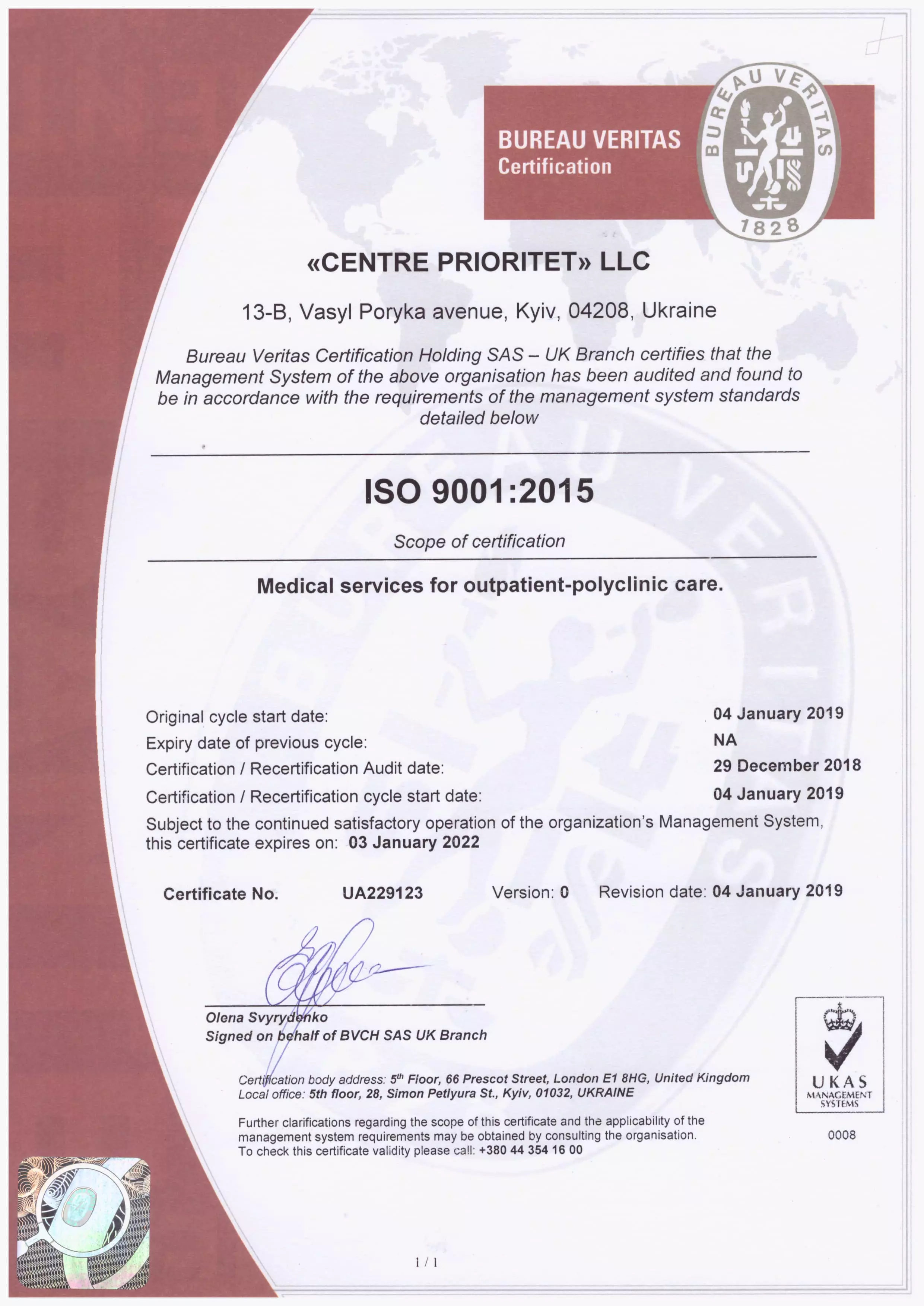
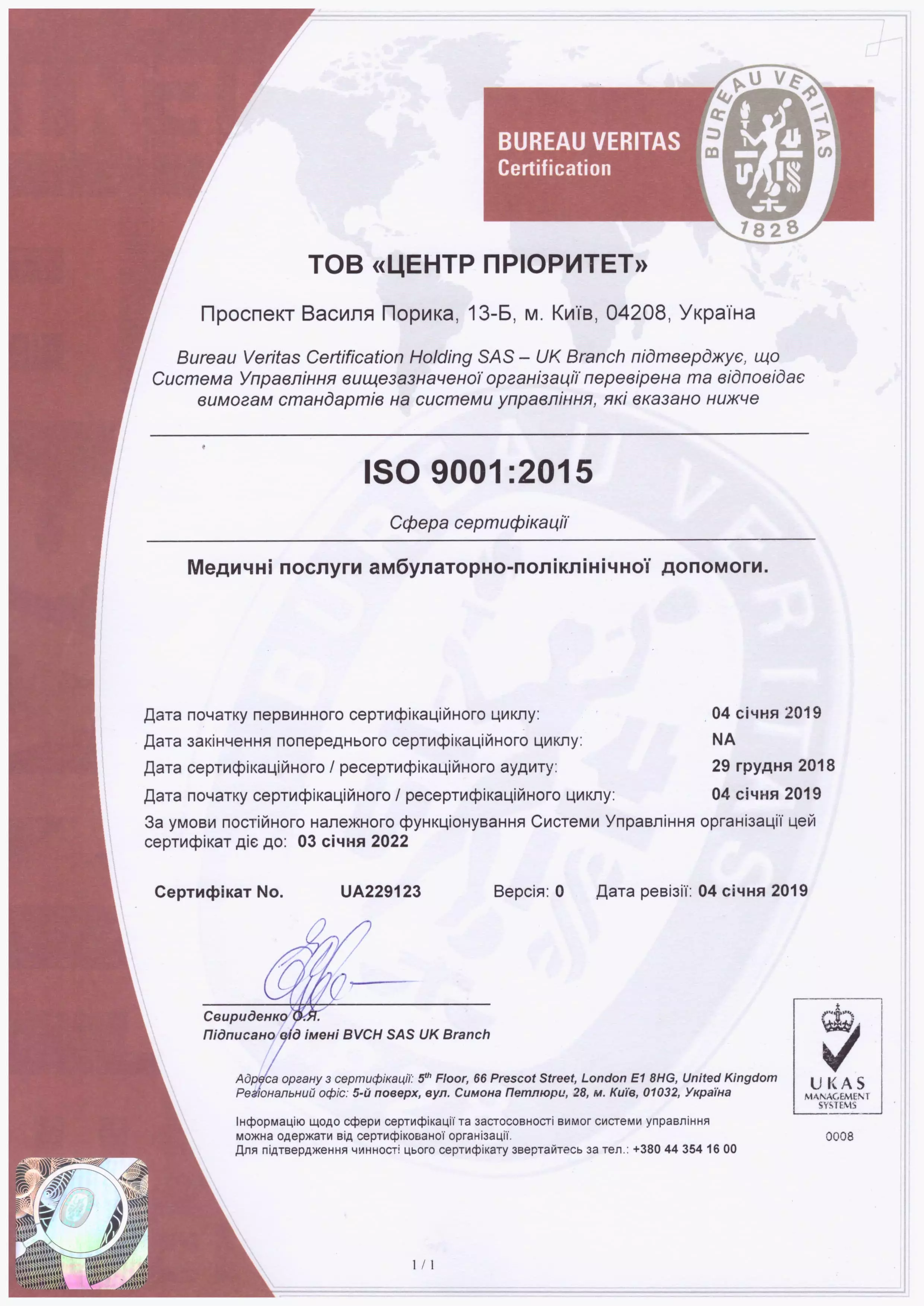
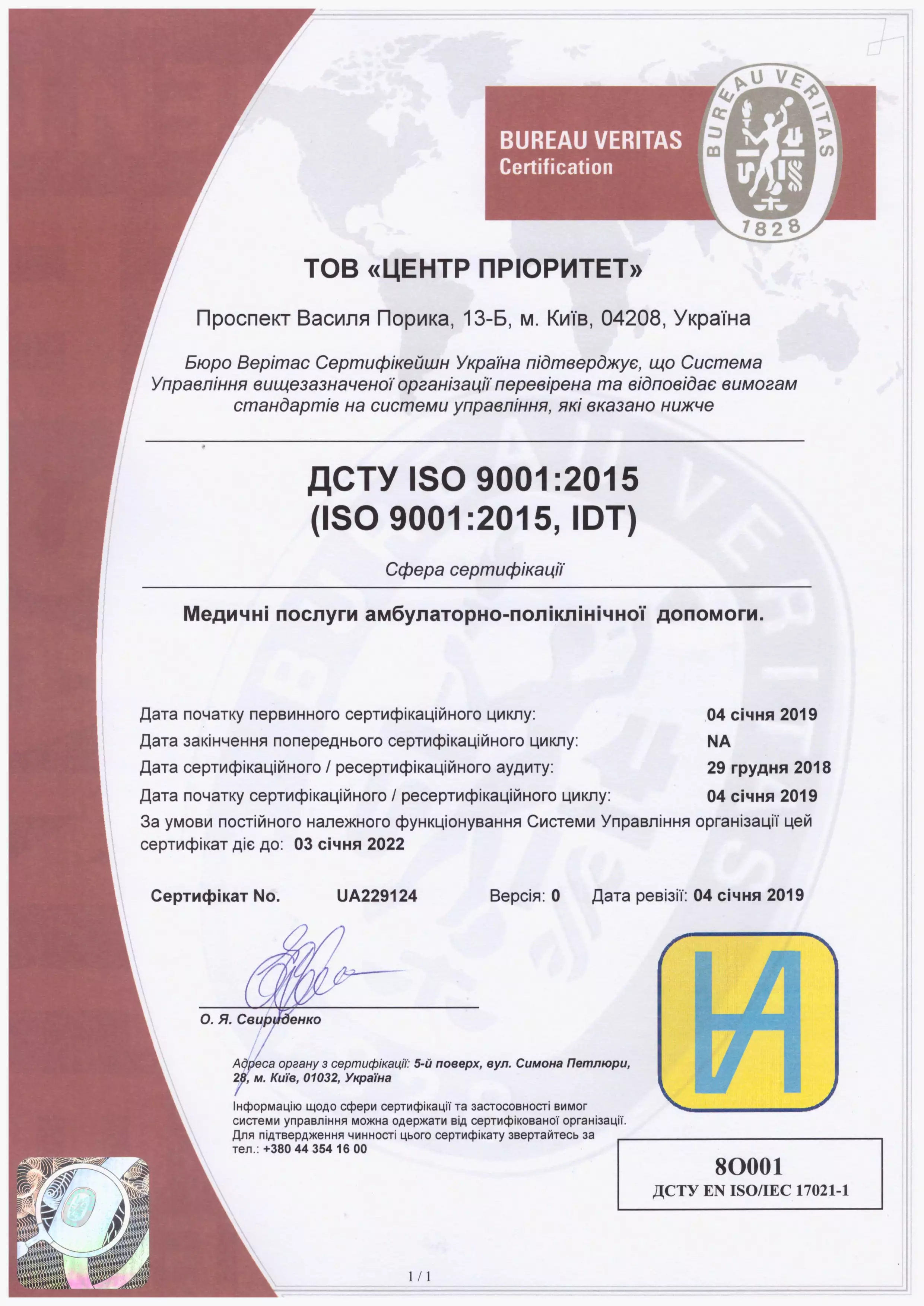
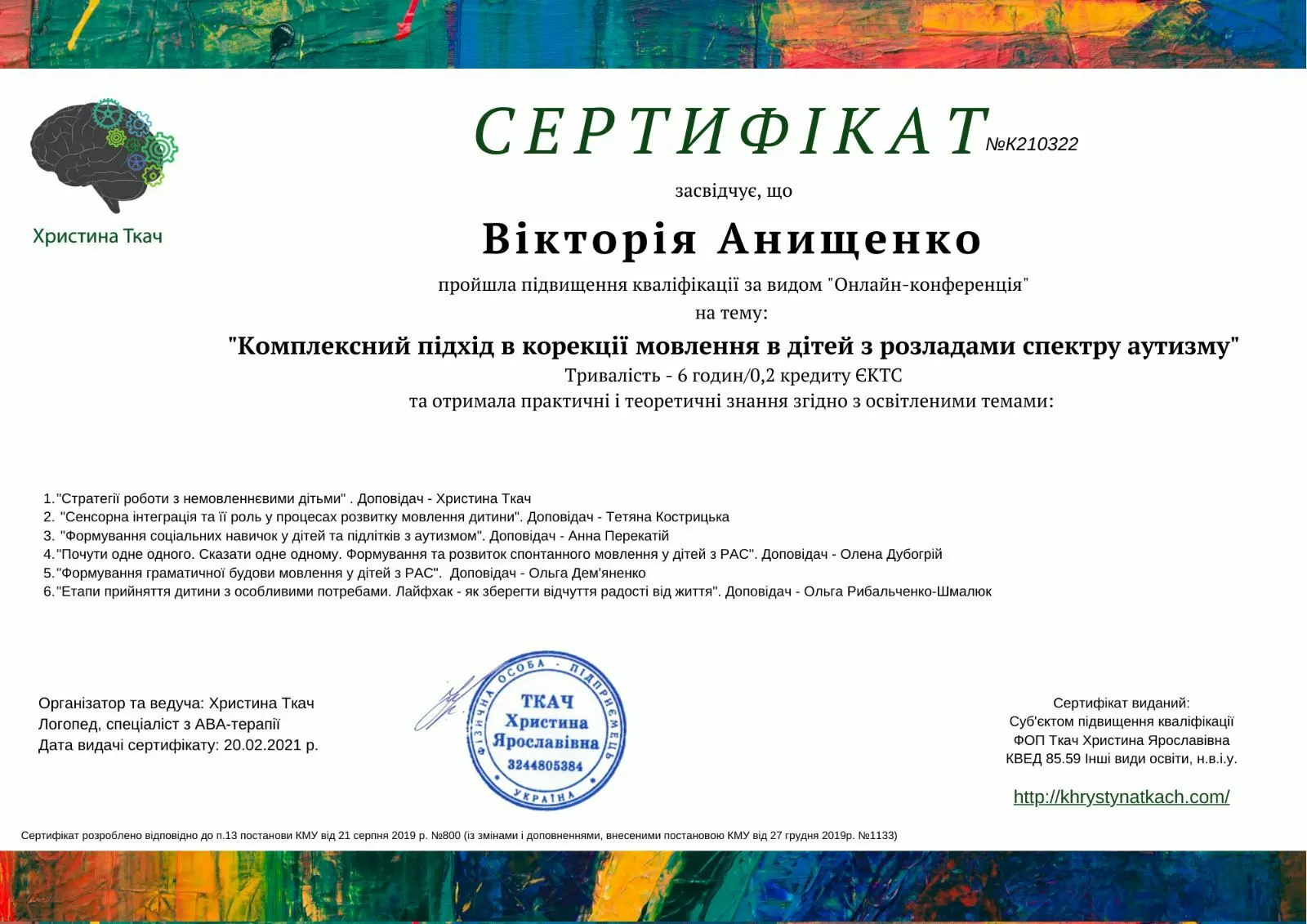
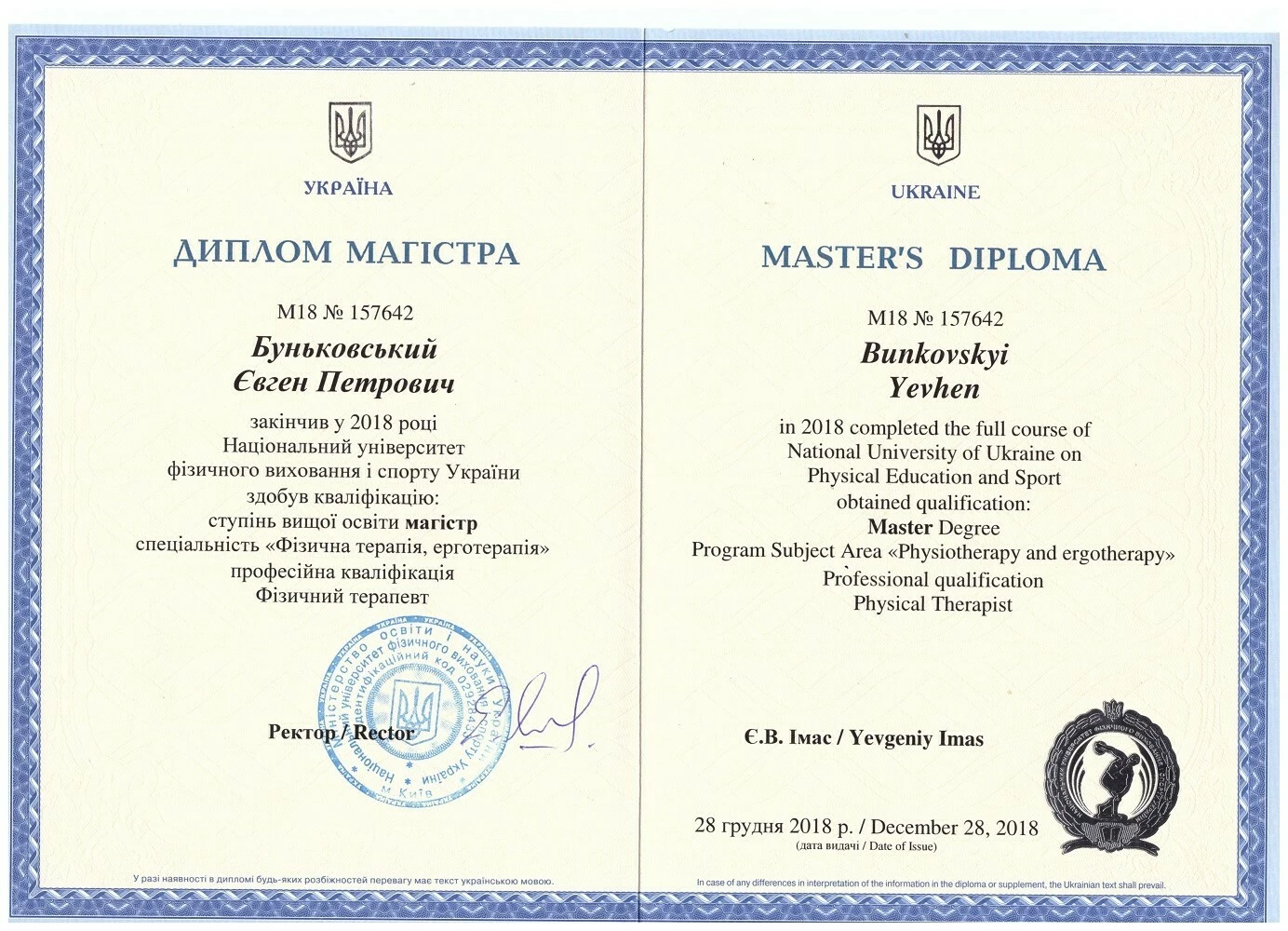
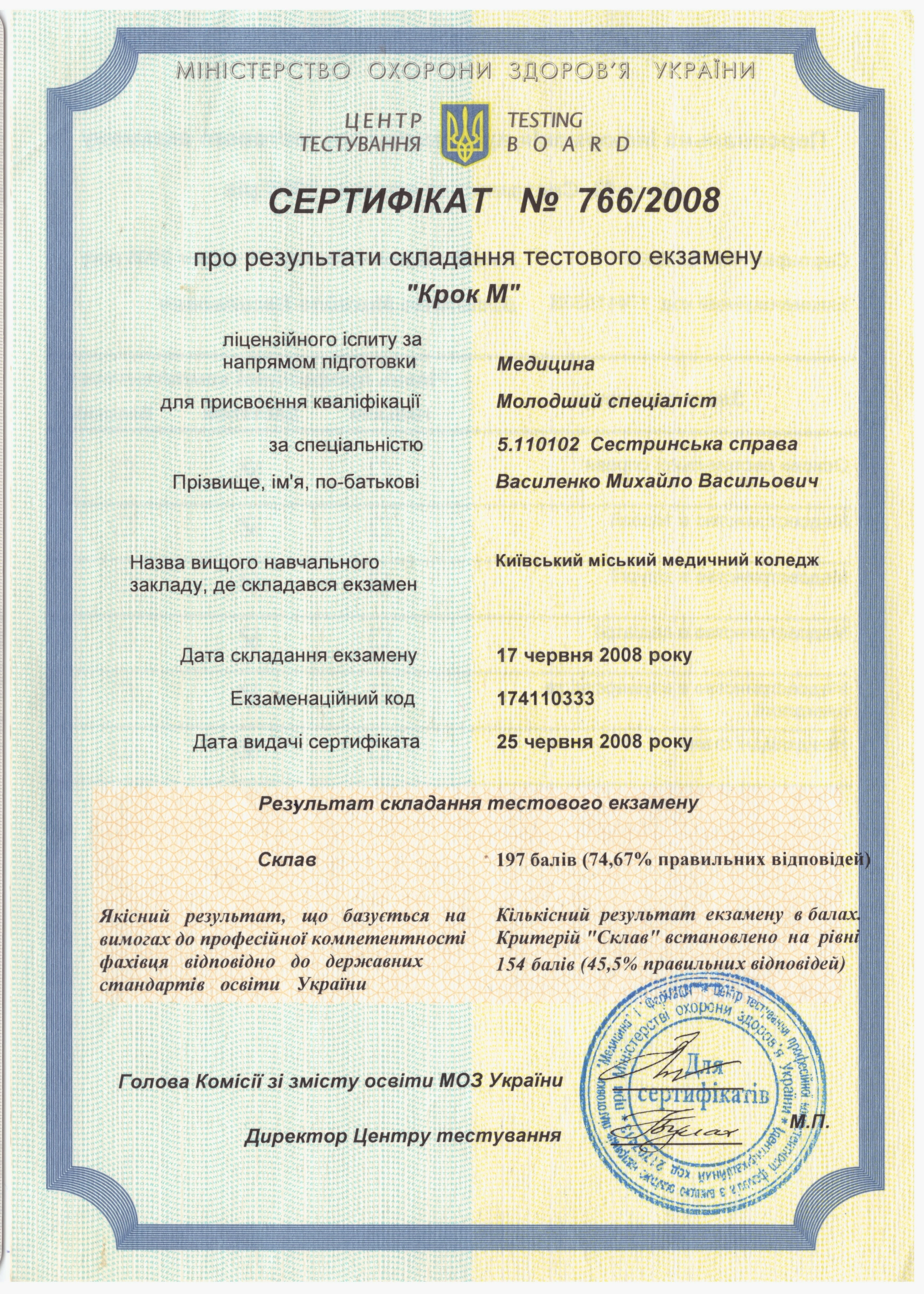
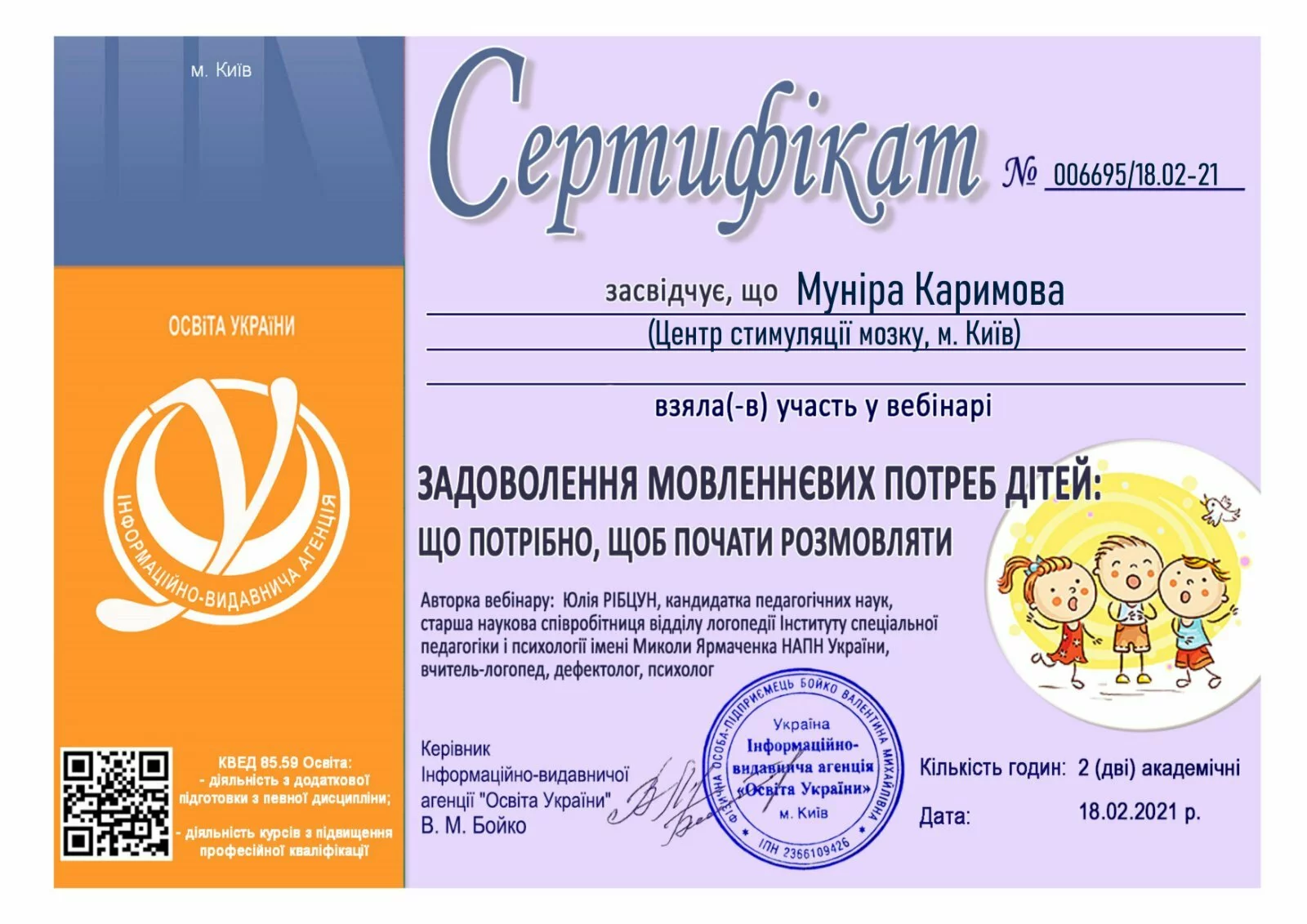
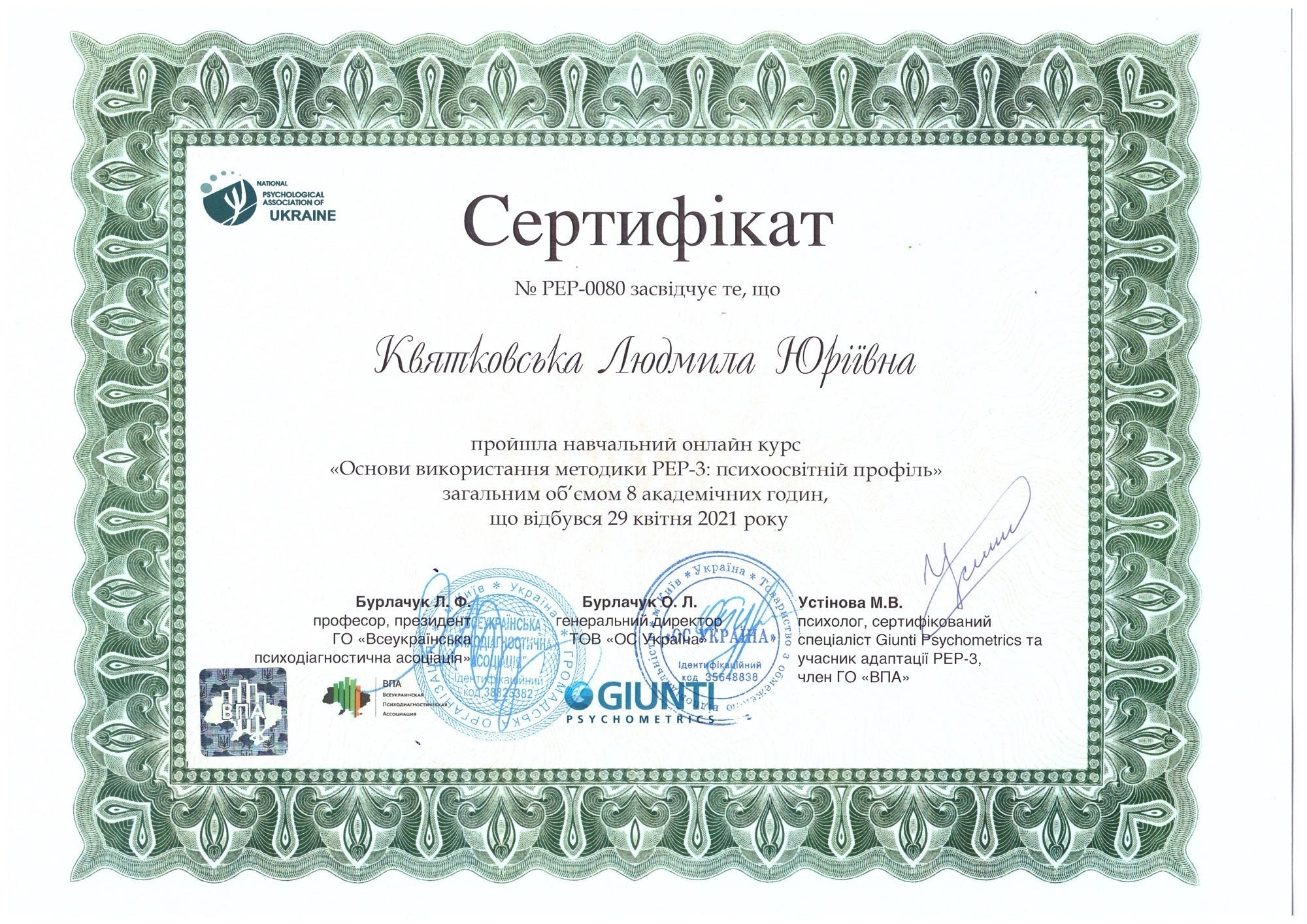
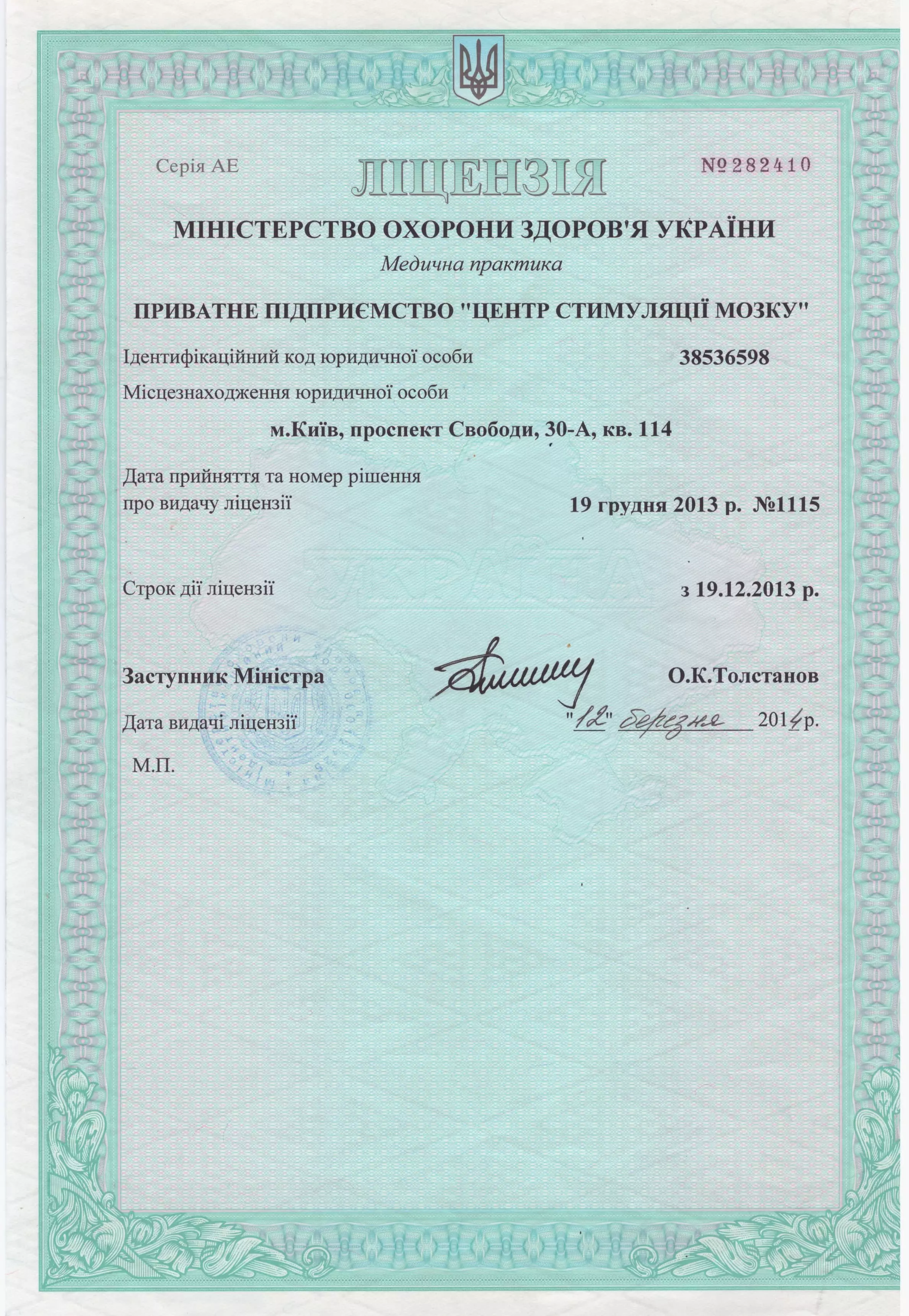
Licenses and Certificates

Reviews

Олександра Кирилівна 14.06.2021

5.0
5.0

Лечение гемиплегии

У дочки мого брата ДЦП, на його фоні розвинулася геміплегія. Стала відніматися одна сторона тіла і зменшуватися в розмірах і ручка стиснута в кулачок. У ЦСМ з дитиною працює колектив лікарів, логопеди, реабілітологи. Особливо дівчинці подобаються заняття з Романченко Іриною Віталіївною, тренування слуху благотворно позначаються на дівчинці.

Ольга 04.05.2021

5.0
5.0

Лечение гемиплегии

для лечения гемиплегии в ЦСМ множество разных вариантов и направлений. моей дочери подобрали лечение с учетом ее состояния и навыков. врачи доброжелательные, всегда вежливые и с улыбкой. приятно находиться и лечиться в такой клинике.

Анастасия Розумовская 26.04.2021

5.0
5.0

Лечение гемиплегии

Для коррекции гемиплегии нем прописали лечебный массаж и лечебную физкультуру. По рекомендации подруги мы записались Василенко М. В. Очень хорошо выполняет массаж, чувствует как не сделать ребенку плохо. После этого ребенку становится легче. Физкультура тоже оказывает хорошее воздействие, разминаются ручки, растягиваются мышцы. Планируем начать посещать Томатис-терапию. Говорят очень хороший результат от нее.

Leave feedback:

Your rating:

Your rating:

By sending this form you acknowledge the Data Transfer and Using Policy of this site

To make an appointment
error
error

By sending this form you acknowledge the Data Transfer and Using Policy of this site