Treatment of Acute Cerebrovascular Accidents in Children
ACVA is an acute cerebrovascular accident, or stroke: blood flow in an area of the brain is suddenly disrupted by a blocked or ruptured vessel, and brain cells begin to die. It is rare in children, but it requires emergency care, because the speed of that care affects how serious the consequences are.
In brief:
- Types: ischemic (a blood clot blocks a vessel) and hemorrhagic (a vessel ruptures and blood enters the brain tissue).
- Symptoms: sudden weakness or paralysis of one side of the body, a drooping face, speech difficulties, seizures, vomiting, sudden loss of balance. Warning signs in infants: lethargy, refusing to feed, seizures, a tense fontanelle.
- An ACVA diagnosis is made in a hospital based on brain MRI or CT results.
- Urgent: if any of these symptoms appear, call 103. Do not wait for it to pass.
- After the acute period rehabilitation is needed. The earlier it begins, the more opportunities there are for recovery.
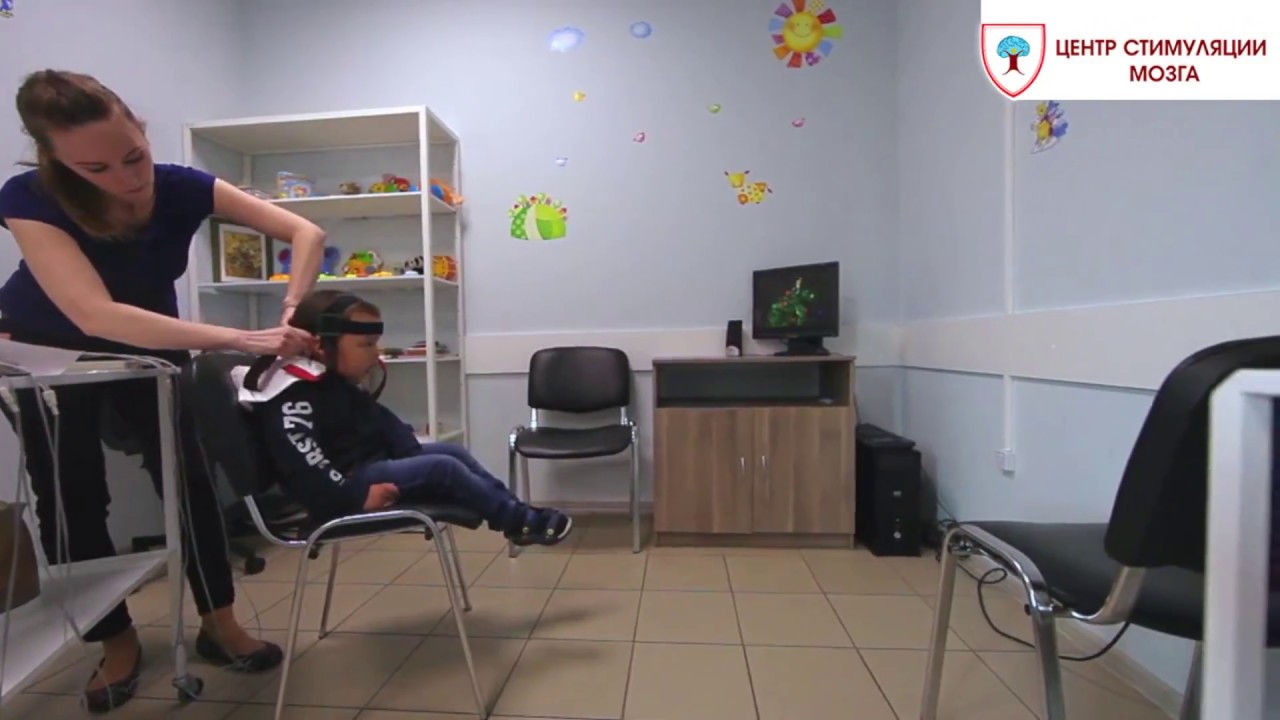
At CSM Clinic in Kyiv, the recovery period after an ACVA is managed by pediatric neurologists, while acute care is provided in a hospital.
Strokes and acute cerebrovascular accidents, which CSM doctors treat, are considered an age-related disease; according to statistics, they most often affect people over 65. But this does not mean that youth automatically rules out the risk. A person of any age can end up in the hospital with a stroke, even a teenager or an infant. The difference is only in the number of cases. For children, various sources give figures from 2-3 to 6-7 cases per 100,000 healthy children.
In Ukraine there are enough neurologists who are familiar with the clinical picture of stroke in adults and able to choose the right treatment and plan rehabilitation. But there are far fewer who have encountered ACVA in young children; even in Kyiv it is hard to find such a specialist. It is hard but possible: CSM specializes in neurology, and cerebrovascular accidents are among the conditions our specialists work with.